



Optimus Robot Rivalry: Humanoids vs. Embedded Architectural Robotics
The company is betting that its vision of a robotic future will be more popular than what Musk is building.
To get the trillion dollars Tesla shareholders approved as part of his most recent pay package, Elon Musk must deliver on a bunch of benchmarks for the company, including the Optimus Robot.
One of those benchmarks is delivering 1 million Optimus humanoid robots by 2035, and Musk is willing to spend to get there.
At the start of the year, Tesla revealed that it was raising its capital expenditure guidance for the year to $25 billion, with a significant portion of that going toward converting some of the company’s carmaking capacity into robot production.
Musk has been extremely optimistic about Optimus, calling it perhaps “the most important product” in Tesla’s history, according to Futubull, but his plan hinges on the assumption that there is a mass market for a $30,000 humanoid appliance.
Musk may end up proven right in the long run, but there will be plenty of competition, not just from other humanoid robot manufacturers, but also from manufacturers who have a different take on robotic household help.
Japanese startup building homes with robotic arms
Once they are perfected, humanoid robots are expected to be able to mow your grass, wash your dishes, clean your home and do any number of other household tasks.
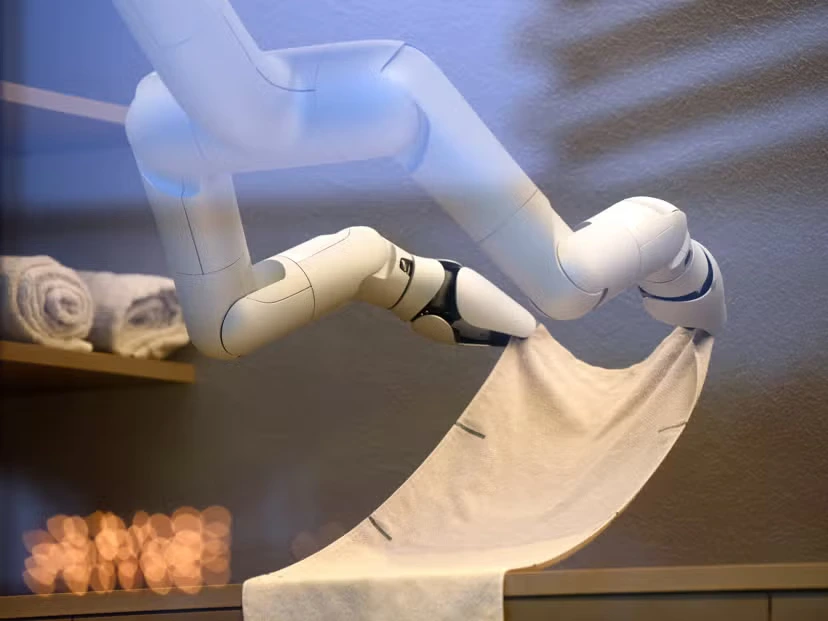
But Tokyo-based startup MW has a different take on robotic help in the future. Instead of a human-shaped stand-in, what if your home had a robotic helper already built in?
MW was one of the companies that helped pioneer bipedal robots decades ago, but now it is focused on embedding robotics into buildings. With robotic arms folded into ceilings and walls, MW is betting their vision of a robotic future will be more popular than what Musk and dozens of other humanoid companies across the world are building.
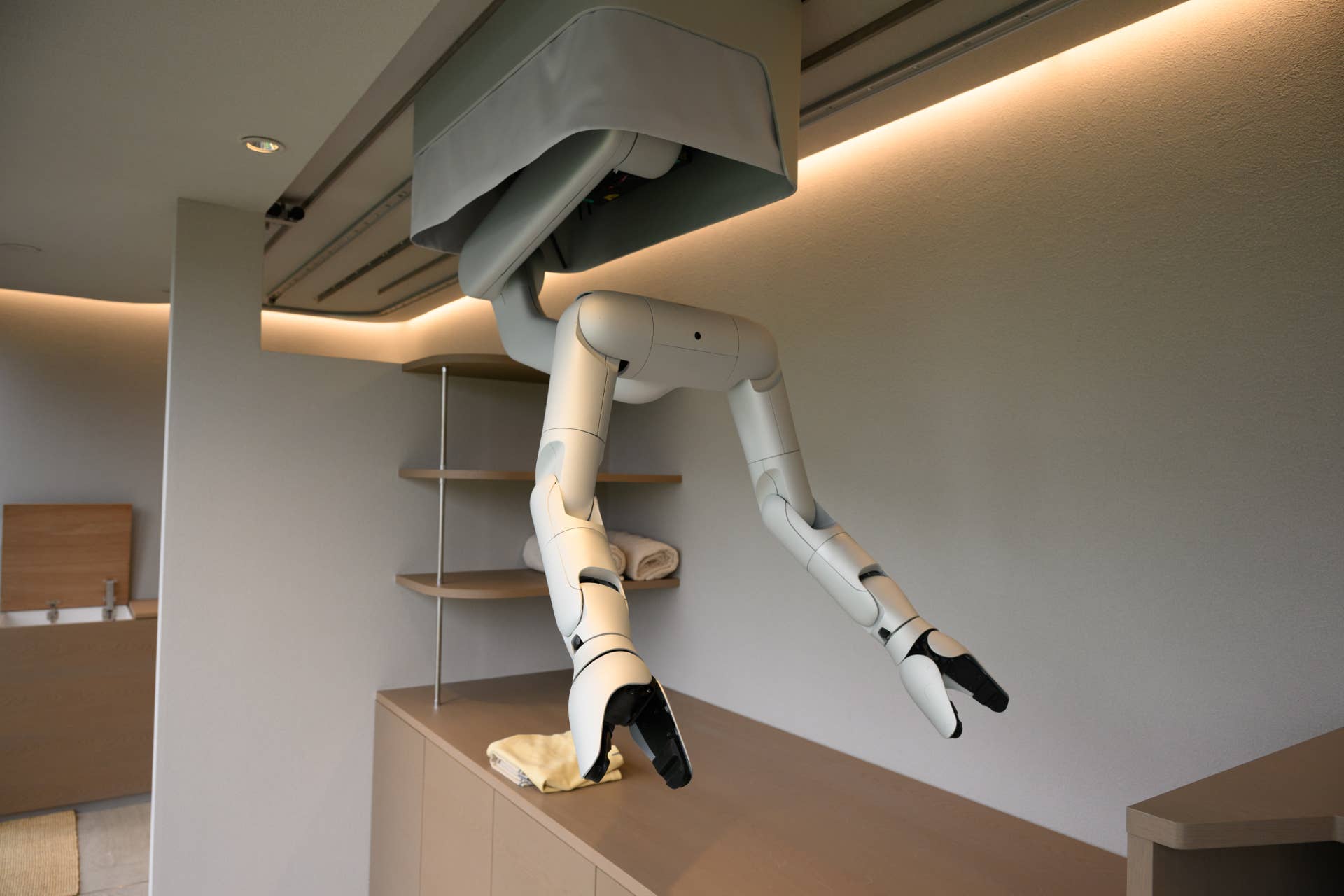
MW Living Homes feature two robotic arms with claw-like hands that can fold laundry, carry groceries and make your bed for you while you get on with your life.
In the commercial the company dropped on Youtube this week, the homeowner returns home, takes off his shoes, and a robotic arm puts them away for him. Robotic arms set the table for his dinner party while he plates the food. When the party is over, the homeowner is in the bath while the arms clear the table. When he goes to sleep, the arms clean the bathroom.
The commercial doesn’t show where the arms emanate from, but the idea is that they are in multiple parts of the house, hidden in the walls and ceilings.
MW Living Homes are coming soon
MW is looking to sell its first robot-equipped home in Tokyo by 2028, according to a report by the Japan Times. By 2035, CEO Shuzo Narita believes the company will be selling 10,000 a year, the equivalent of 5% of new homes being built in Japan now.
According to the Japan Times, semi-humanoid bots make more sense in compact Japanese homes than fully humanoid robots.
But safety was also a consideration in moving away from bipedal bots. MW’s robots need to move along tracks, making them easier to contain and control should they malfunction.