



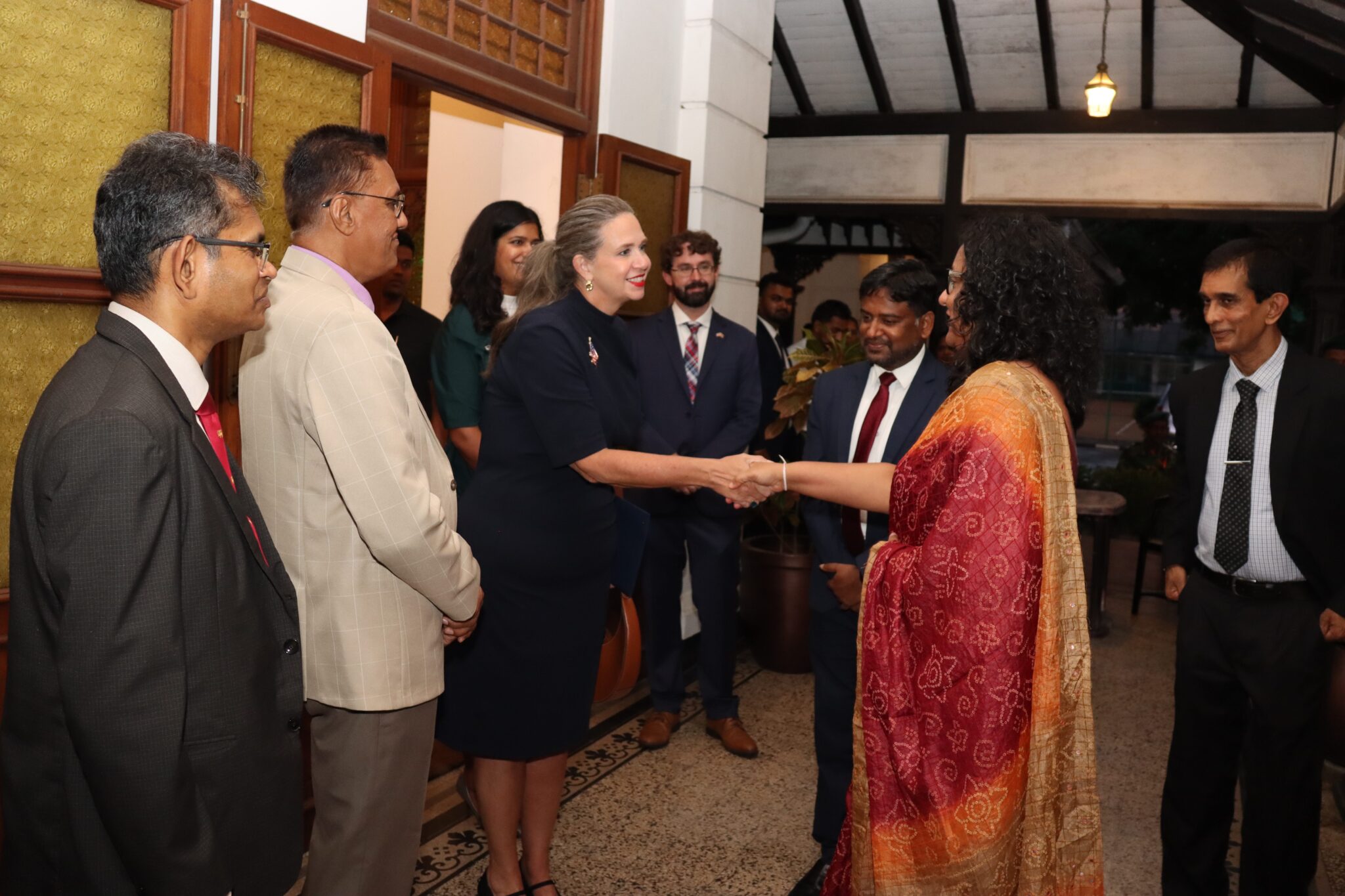
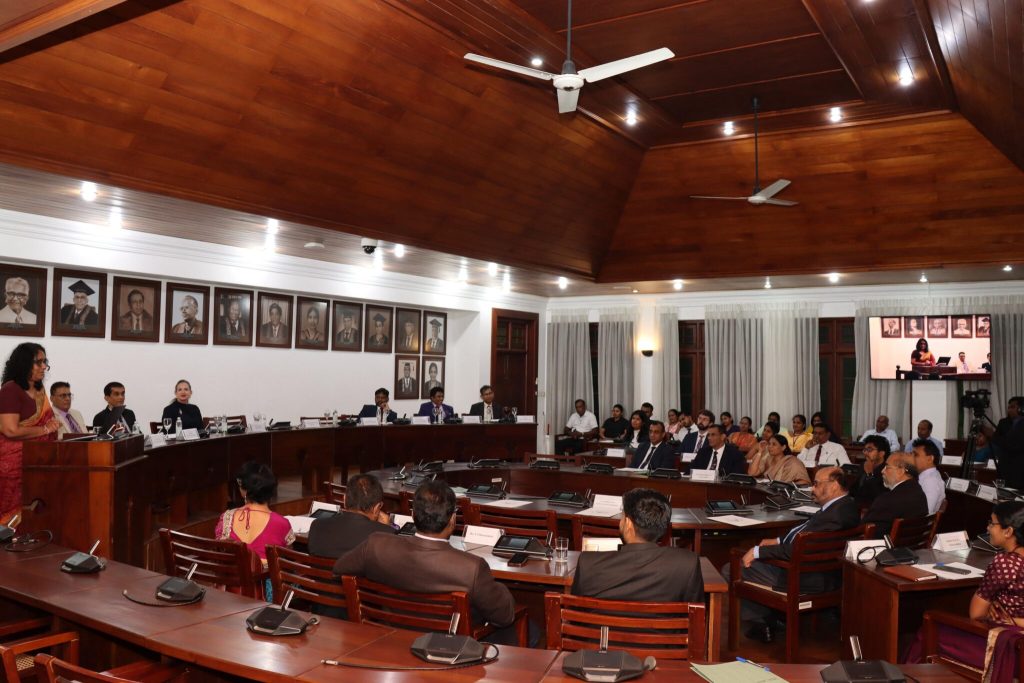
Sri Lanka has taken a significant step in institutionalising artificial intelligence within its higher education system, with the soft launch of the country’s first national AI policy framework for universities on 8 May in Colombo.
The press announcement issued said that the initiative was developed at the request of the University Grants Commission, in close collaboration with the U.S. Embassy in Sri Lanka, and draws on American AI expertise, standards, and innovation as its foundation.
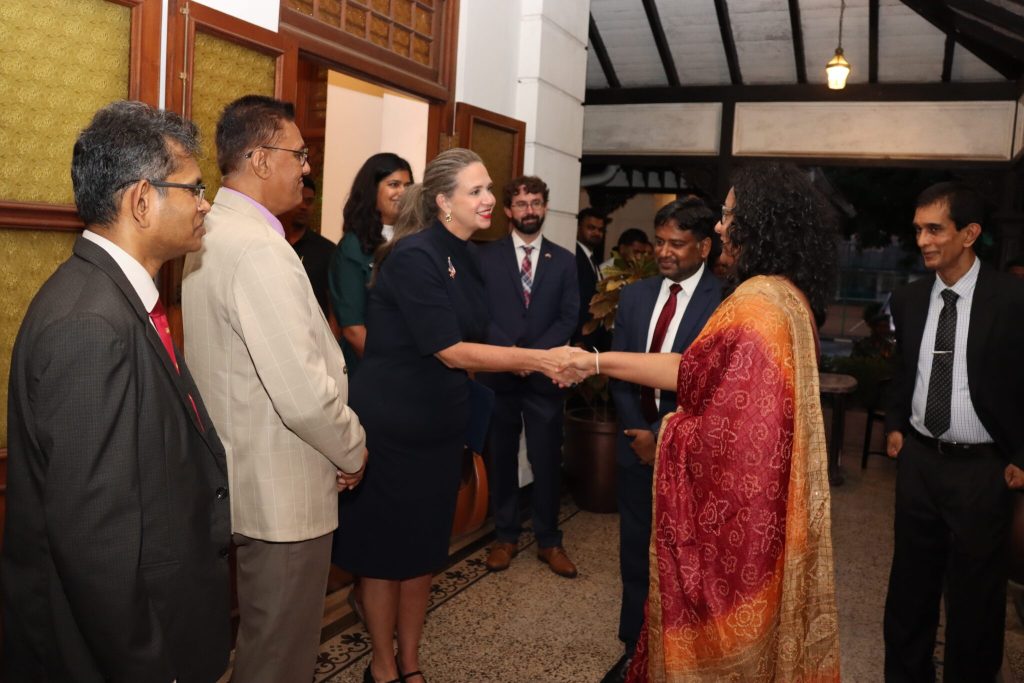
The launch event at the UGC was attended by U.S. Embassy Chargé d’Affaires a.i. Jayne Howell, with Prime Minister and Minister of Education Harini Amarasuriya serving as Chief Guest.
American expertise at the centre
The framework was developed under the technical leadership of Professor Usree Bhattacharya, an Associate Professor at the University of Georgia and a recognised specialist in responsible AI in education. The process brought together representatives from all 18 state universities in Sri Lanka, alongside policymakers, administrators, and industry leaders.
The resulting framework covers AI integration across teaching, learning, research, and university administration, while positioning U.S. approaches and standards as the basis for Sri Lanka’s AI development in higher education.
UGC Chairman Professor Kapila Seneviratne welcomed the collaboration, noting that it supports Sri Lanka’s efforts to modernise higher education and equip students with skills needed for an increasingly digital economy.
What comes next
The national AI Policy Framework for Higher Education is expected to be finalised in June and distributed to Sri Lankan universities for implementation.
The framework also opens a longer runway for institutional ties, with the U.S. positioning the initiative as a gateway for future partnerships between Sri Lankan universities and American technology firms and academic institutions.
1 Comment
Pingback: AI: 1 Best US Law Schools Tech Policies