










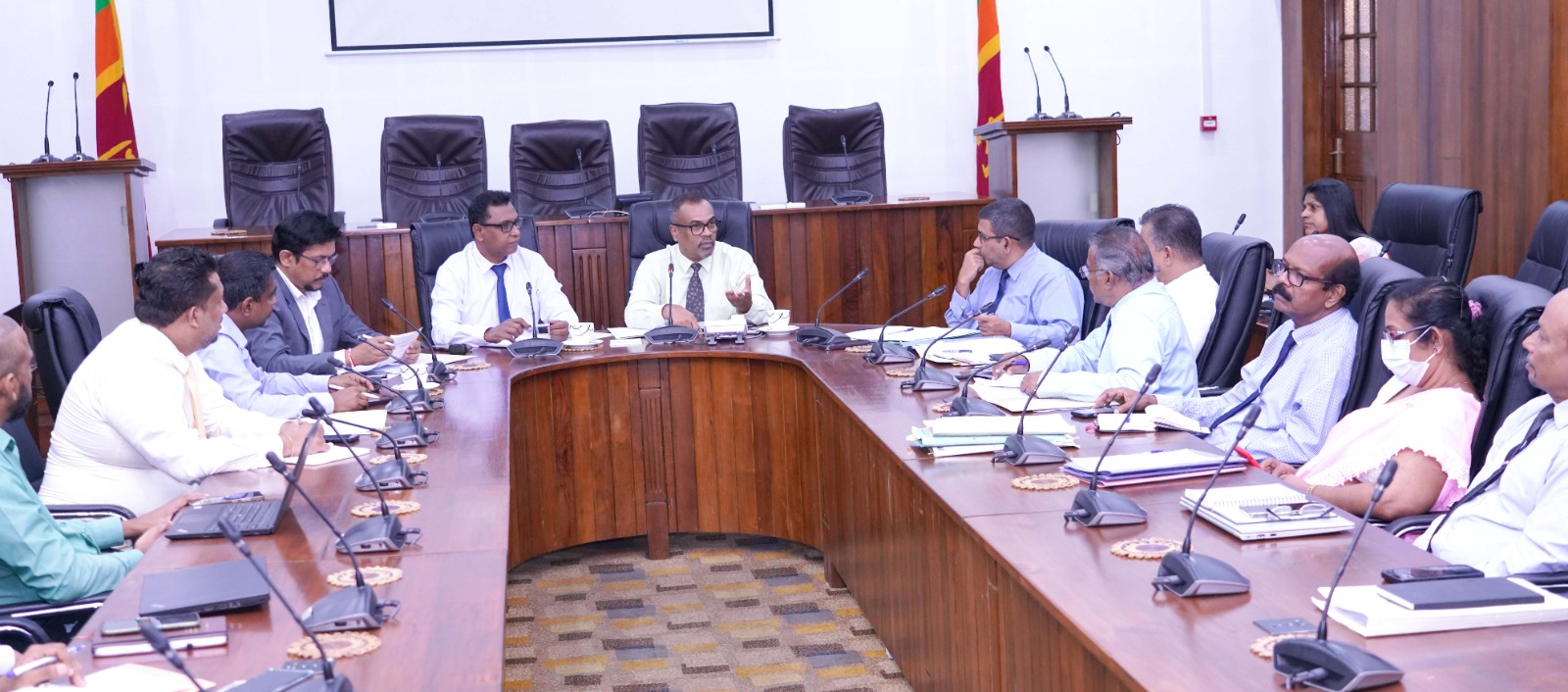
Sri Lanka’s Ministry of Finance convened a high-level discussion on April 30 to address long-standing gaps in the way the country identifies and enrolls beneficiaries under the Aswesuma welfare programme, with digitisation placed at the centre of a proposed overhaul spanning both immediate fixes and structural reform.
The meeting focused on revising the current criteria used to identify beneficiaries, accelerating the selection process, and improving accuracy through the use of digital technology. Officials also discussed the need for both long-term reforms, including possible legislative amendments, as well as short-term measures to strengthen the system from within its existing framework.
The urgency is not without context. Aswesuma, which translates to “strength” or “empowerment” in Sinhala, was introduced by the Government of Sri Lanka in 2023 as a replacement for the decades-old Samurdhi scheme, itself long criticised for poor targeting and political interference. Despite the transition, the programme has continued to face scrutiny over who gets counted and who gets left out. Of the 20 percent of the population experiencing food insecurity, nearly 40 percent are not eligible for Aswesuma, according to analysis from the Asian Development Bank, pointing to a targeting problem that better data infrastructure is expected to help resolve.
On the ground, the mechanics of identification have remained stubbornly paper-bound. The current registration process relies on pen and paper, with collected data later entered into a database. Instances have been encountered where government officials collected registration forms but chose not to process them further. Exploring digitally enabled registration options has been recommended as a direct response.
The Social Registry Information System, known as SRIS, is designed to integrate multiple welfare schemes, avoiding duplication and enabling more consistent targeting. Expanding its reach and correcting its blind spots appears to be among the core technical goals now on the table.
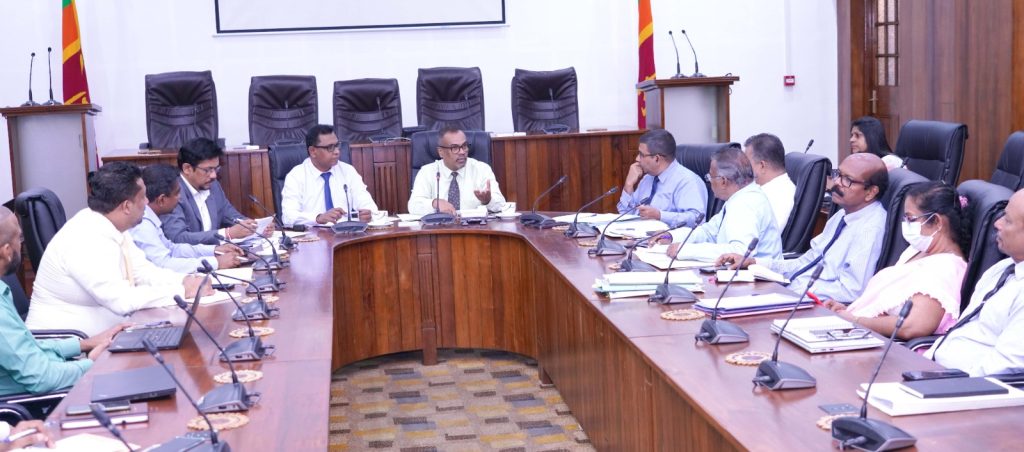

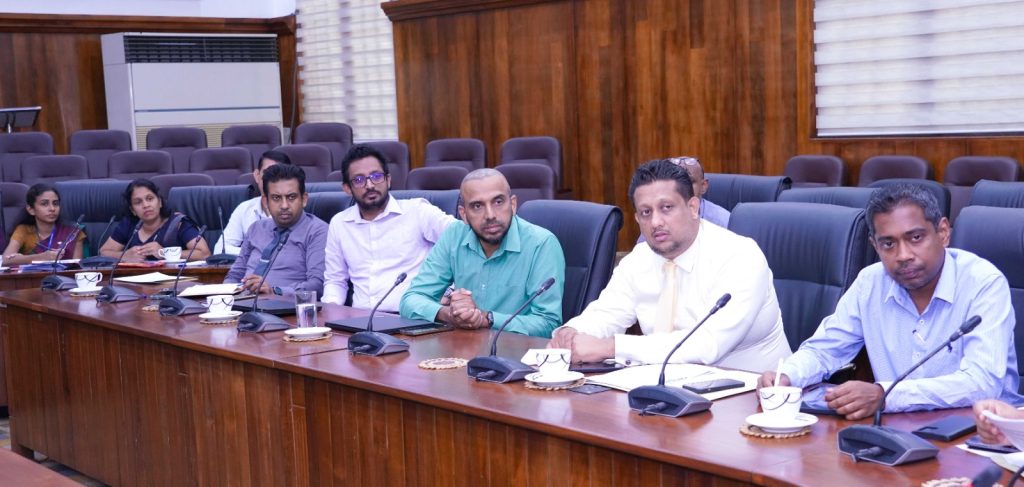

Key areas of attention at the April 30 meeting included filling existing vacancies, increasing the involvement of Grama Niladhari officers, revising payment procedures, and addressing operational challenges. Grama Niladhari officers, who function as the most localised tier of Sri Lanka’s administrative structure, have long served as the primary point of contact between welfare applicants and the state. Their deeper integration into a digital workflow is seen as essential to making any new system work at scale.
Beneficiary lists are currently displayed on notice boards at Divisional Secretariats and Grama Niladhari offices, and accessible online through the Welfare Benefits Board’s official portal. Moves to digitise the identification process upstream, at the point of data collection rather than just disbursement, would represent a meaningful shift from the current model.
Payment infrastructure has seen some progress already. Aswesuma pays benefits directly into bank accounts, reducing corruption and leakages that plagued older schemes, with digital disbursement improving auditability and efficiency. The April 30 discussion signalled a push to extend that logic further into the eligibility determination process itself.
Among the categories of transitional, vulnerable, poor and extremely poor beneficiaries who receive benefits under the Aswesuma scheme, the provision of benefits to the transitional category ended on 30 April 2025. With that group phased out and the programme now concentrating resources on its remaining tiers, accuracy in identifying who qualifies has taken on renewed importance.
The meeting brought together Dr. Upali Pannilage, Minister of Rural Development, Social Security and Community Empowerment; Dr. Anil Jayantha Fernando, Minister of Labour and Deputy Minister of Finance and Planning; and Eranga Weeraratne, Deputy Minister of Digital Economy. Sampath Manthrinayake, Secretary to the Ministry of Rural Development, Social Security and Community Empowerment, along with officials from the Welfare Benefits Board, were also present.
The ADB has recommended that Sri Lanka continuously conduct independent impact assessments and make data-driven adjustments in real time, alongside publishing clear methodologies for registry inclusion to build public confidence. The April 30 discussions appear to move in that direction, though the pace and depth of reform will ultimately depend on whether the legislative and technical timelines align.


