



Close Menu

    Subscribe to Updates

    Get the latest creative news from FooBar about art, design and business.

    What's Hot

    What comes after chatbots? Are AI agents the next big shift in enterprise software?

    October 23, 2026

    What is PHP and why did it spark a global cyber-security scramble?

    October 22, 2026

    Kings Hospital Colombo Completes Sri Lanka’s First Two Robotic Telesurgeries

    October 22, 2026
    Facebook X (Twitter) LinkedIn
    Trending
    • What comes after chatbots? Are AI agents the next big shift in enterprise software?
    • What is PHP and why did it spark a global cyber-security scramble?
    • Kings Hospital Colombo Completes Sri Lanka’s First Two Robotic Telesurgeries
    • ‘Your TV should do what you paid for’
    • Passkeys vs Passwords: Is It Time to Stop Using Passwords?
    • 5m digitally skilled Sri Lankans by 2030: PM Harini endorses CSSL’s ‘National Workforce Agenda’
    • The road to hell is paved with AI flyers
    • ‘They’re not dead yet’: Bleached corals recover in record time after touching healthy clones
    Facebook X (Twitter) LinkedIn
    Techie.LKTechie.LK
    Demo
    • Home
    • Local
      1. AI & Machine Learning
      2. Consumer Tech
      3. Cybersecurity
      4. Enterprise Tech
      5. Fintech & Digital Payments
      6. GovTech & e-Governance
      7. Legal & Regulatory Tech
      8. Science & Innovation
      9. Startups & Venture
      10. Telecom & Connectivity
      Featured

      Kings Hospital Colombo Completes Sri Lanka’s First Two Robotic Telesurgeries

      By Techie.lkOctober 22, 20261
      Recent

      Kings Hospital Colombo Completes Sri Lanka’s First Two Robotic Telesurgeries

      October 22, 2026

      5m digitally skilled Sri Lankans by 2030: PM Harini endorses CSSL’s ‘National Workforce Agenda’

      October 21, 2026

      Sri Lanka must create technology, not just consume it, says PM

      October 19, 2026
    • International
      • AI & Machine Learning
      • Consumer Tech
      • Cybersecurity
      • Enterprise Tech
      • Fintech & Digital Payments
      • GovTech & e-Governance
      • Legal & Regulatory Tech
      • Science & Innovation
      • Startups & Venture
      • Telecom & Connectivity
    • Interviews
    • Profiles
    • Analysis
    • Contributors
    • Podcasts
    • More
      • About Us
      • Contact Us
    Techie.LKTechie.LK
    Home»Contributors»Passkeys vs Passwords: Is It Time to Stop Using Passwords?
    Contributors

    Passkeys vs Passwords: Is It Time to Stop Using Passwords?

    Techie.lkBy Techie.lkOctober 22, 2026No Comments5 Views
    Facebook Twitter LinkedIn WhatsApp Reddit Tumblr Email
    Share
    Facebook Twitter LinkedIn

    By Kawditha Nirmal

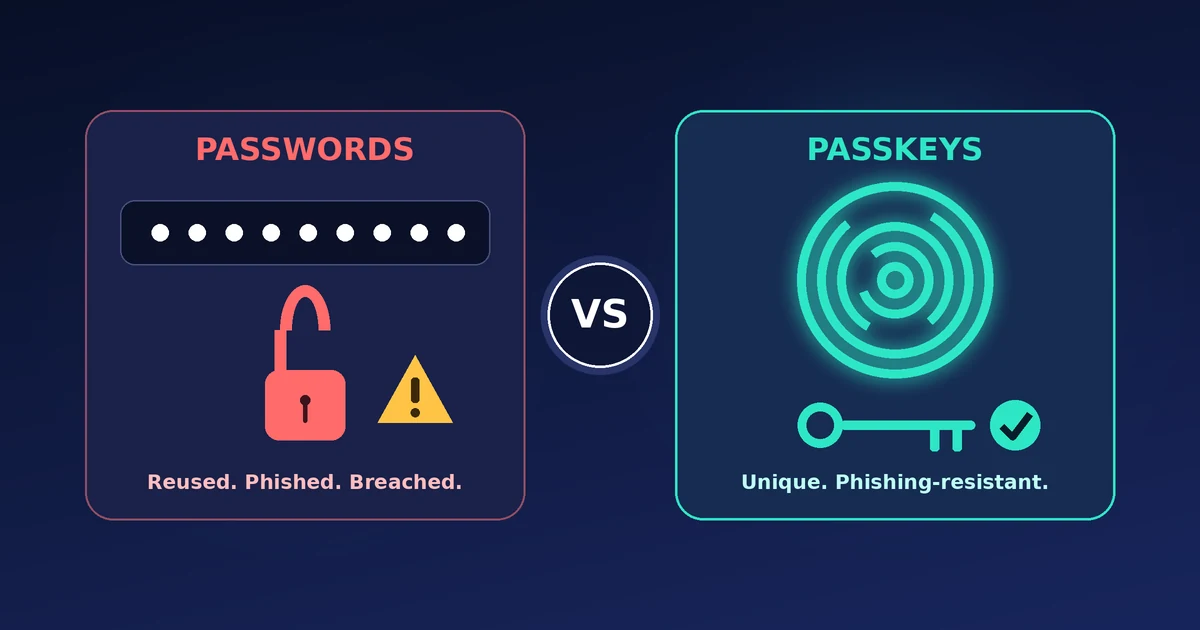
    For decades, passwords have been the primary way to protect online accounts. From email and social media to online banking and cloud services, users have relied on passwords to keep their personal information secure. However, traditional passwords come with several challenges, including forgotten credentials, password reuse, phishing attacks, and data breaches.

    As cyber threats continue to evolve, a new authentication technology called passkeys is gaining attention as a more secure and convenient alternative. Supported by major technology platforms and built on established security standards, passkeys are changing how people sign in to their online accounts. But how do they work, and is it finally time to move beyond traditional passwords?

    What Are Passkeys and How Do They Work?

    A passkey is a digital credential that allows users to sign in to supported websites and applications without manually entering a password. Instead, authentication usually takes place through a fingerprint, facial recognition, or the Personal Identification Number (PIN) used to unlock a device. Behind this simple process is public-key cryptography, a security technology that uses a pair of mathematically related keys.

    When a passkey is created, the website stores a public key, while the corresponding private key remains protected by the user’s device or passkey manager. During sign-in, the service verifies a cryptographic response rather than asking the user to submit a password. This design significantly reduces the risk of stolen passwords being reused by attackers and helps protect users against phishing websites.

    Importantly, biometric information such as fingerprints and facial data is generally processed locally by the device rather than sent to the website. Passkeys are based on established FIDO authentication standards and are supported across many modern devices, browsers, and online services.

    Passkeys vs Passwords: Which Is More Secure?

    Traditional passwords can still provide reasonable protection when they are long, unique, and stored securely. However, users often reuse passwords across multiple websites, making several accounts vulnerable if one service experiences a data breach. Weak passwords can also be guessed, while convincing phishing websites may trick users into revealing their login credentials. Passkeys address many of these weaknesses because they are unique to the relevant website or application and are designed to resist phishing. A passkey created for a legitimate website cannot normally be used to authenticate to an unrelated fraudulent domain.

    Furthermore, a server storing only a passkey’s public key does not hold the private credential required to impersonate the user. Nevertheless, passkeys are not a guarantee of complete security. A compromised device, an insecure account recovery process, or an attacker who gains control of a user’s account or devices can still create risks. For this reason, users should protect their devices, keep their operating systems updated, and secure the accounts used to synchronise or recover their passkeys.

    Should You Replace Your Passwords with Passkeys?

    For most users, adopting passkeys wherever they are supported is a sensible step toward stronger online security. Many services allow users to create a passkey through their account security settings, after which signing in can become as simple as unlocking a phone or computer. For example, Google Account users can visit g.co/passkeys to review the available setup options. Passkeys can also be managed through compatible password managers and device ecosystems, depending on the platform and service.

    Before making the switch, users should check how their passkeys are backed up or synchronised, confirm that they can access their accounts from another trusted device, and maintain the available account recovery methods. It is also important to remember that not every website supports passkeys yet, so traditional passwords may remain necessary for some services.

    Where passwords are still required, use a reputable password manager, create a different strong password for every account, and enable multi-factor authentication whenever available. Ultimately, passkeys offer a meaningful improvement in convenience and resistance to common credential-based attacks. The future of digital security is unlikely to change overnight, but moving toward passkeys today can help users build safer online habits for tomorrow.

    Top News Top Posts
    Share. Facebook Twitter LinkedIn
    Techie.lk
    • Website

    Related Posts

    What comes after chatbots? Are AI agents the next big shift in enterprise software?

    October 23, 2026

    What is PHP and why did it spark a global cyber-security scramble?

    October 22, 2026

    Kings Hospital Colombo Completes Sri Lanka’s First Two Robotic Telesurgeries

    October 22, 2026
    Leave A Reply Cancel Reply

    Demo
    Top Posts

    Chadika Yahampath: Head of Digital Capacity Building, GovTech Sri Lanka

    September 21, 2026291

    The Exit Plan: The Leadership Lessons No Startup Can Afford to Ignore

    August 18, 2026215

    Solve a Global Problem from Sri Lanka: Haridhu Abeygoonaratne on Building a Product Nation

    October 6, 2026117

    The Death of the Traditional Software Engineer: Bridging the Talent Gap in the Post-AI Era

    August 10, 2026113
    Don't Miss
    Contributors

    What comes after chatbots? Are AI agents the next big shift in enterprise software?

    By Techie.lkOctober 23, 20263

    By Chulanga Averil Hettiarachchi For more than three decades, enterprise software has operated on one…

    What is PHP and why did it spark a global cyber-security scramble?

    October 22, 2026

    Kings Hospital Colombo Completes Sri Lanka’s First Two Robotic Telesurgeries

    October 22, 2026

    ‘Your TV should do what you paid for’

    October 22, 2026
    Stay In Touch
    • Facebook
    • Twitter
    • LinkedIn

    Subscribe to Updates

    Get the latest creative news from SmartMag about art & design.

    Demo
    About Us
    About Us

    Your source for the lifestyle news. This demo is crafted specifically to exhibit the use of the theme as a lifestyle site. Visit our main page for more demos.

    We're accepting new partnerships right now.

    Email Us: techielkeditor@gmail.com
    Contact: +94 77 328 0773

    Facebook X (Twitter) LinkedIn
    Our Picks

    What comes after chatbots? Are AI agents the next big shift in enterprise software?

    October 23, 2026

    What is PHP and why did it spark a global cyber-security scramble?

    October 22, 2026

    Kings Hospital Colombo Completes Sri Lanka’s First Two Robotic Telesurgeries

    October 22, 2026
    Most Popular

    Chadika Yahampath: Head of Digital Capacity Building, GovTech Sri Lanka

    September 21, 2026291

    The Exit Plan: The Leadership Lessons No Startup Can Afford to Ignore

    August 18, 2026215

    Solve a Global Problem from Sri Lanka: Haridhu Abeygoonaratne on Building a Product Nation

    October 6, 2026117
    © 2026 Techie. Designed by NIKO.
    • Terms & Conditions
    • Privacy Policy

    Type above and press Enter to search. Press Esc to cancel.