



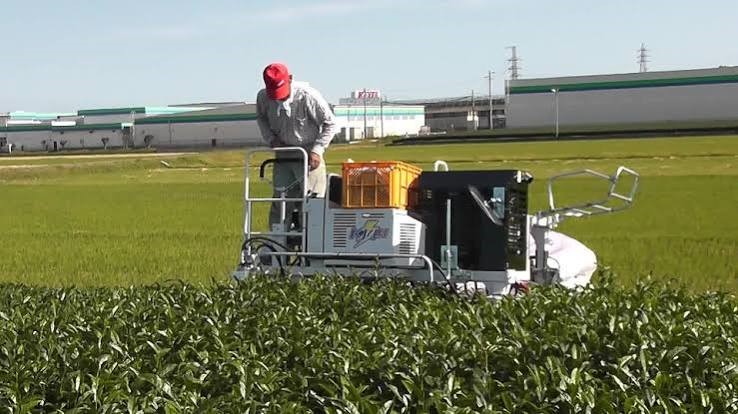
In the misty highlands of Nuwara Eliya, where generations of estate workers have bent over tea bushes from dawn to dusk, a quiet revolution is taking root. A single machine, placed in the hands of a tea plucker, is rewriting decades old rules about what a day’s labour can earn, and who gets to earn it.
Berendina Development Services (Guarantee) Limited (BDS) is a Sri Lanka based non-profit, community development organization dedicated to poverty alleviation, financial inclusion and sustainable livelihood enhancement, has spent years standing shoulder to shoulder with estate communities. BDS latest intervention, a bold push to mechanize tea plucking, is now delivering results that go far beyond the tea bush: rising incomes, lighter workloads and a levelling of the playing field for women who have long carried the heaviest load.
The plantation sector remains one of Sri Lanka’s most labour intensive industries, with thousands of families depending almost entirely on daily tea plucking for survival. For generations, manual plucking has required prolonged hours of repetitive bending and reaching under harsh weather and steep terrain. Earnings are directly tied to the quantity of tea harvested each day, meaning productivity limitations translate immediately into income constraints. For households with structural marginalization where alternative employment is scarce, this dependency locks families into a cycle of vulnerability that is hard to break.
Within this context, BDS set out to break it. The introduction of mechanized tea plucking is a strategic livelihood intervention aimed at strengthening income security, boost labour efficiency and building long term resilience across estate communities, as part of BDS’s wider mission to unlock economic opportunity for marginalized communities
Since 2022, BDS has placed tea plucking machines in the hands of 179 estate workers across nine estates in Nuwara Eliya District, Clarendon, Desford, Fordyce, Great Western, Ingestre, Mount Vernon, Palmaston, Drayton and Somerset, each unit valued at around Rs. 58,000. The machines remain the property of BDS and are provided under a tripartite agreement. Estate Management is responsible for safe custody, security, and operational monitoring, while the beneficiary, as the end user, ensures proper use, maintenance and timely reporting of any issues for accountable and efficient utilization.
To capture the real-world dividends of this intervention, BDS conducted an impact assessment at least five months after distribution, covering 97 beneficiaries, 44 women and 53 men, to measure what had actually changed. Most households consisted of 4-6 members and educational attainment levels were relatively low, with 45 respondents having completed only primary education and 37 having completed secondary schooling. A notable factor is that only 1 person has completed G.C.E A/L’s and 13 people have completed G.C.E O/Ls. Most of the beneficiaries are in the age category 40 – 49 years.
The results are nothing short of transformative. The results speak for themselves. Daily tea yields nearly doubled, leaping from 24-25 kilograms to 44-45 kilograms per worker, a 79.7 percent productivity surge. Monthly household incomes climbed by 66.7 percent, adding an average of Rs. 12,500 to family budgets every month. For estate families whose primary or sole source of income is tea plucking, such growth has meaningful implications for food security, educational expenditures, debt management and overall resilience against economic shocks.
The intervention has begun to lift a physical burden carried for generations. Manual plucking involves repetitive hand movements, continuous bending and sustained physical exertion that often leads to fatigue and musculoskeletal strain. By reducing the intensity and duration of labour required to meet daily targets, the machines have delivered a tangible improvement in occupational wellbeing, with beneficiaries integrating machine use into three to six hours of their daily schedules, balancing productivity gains with estate land allocations and operational conditions, and some extending usage further where access allowed to maximize their earning potential.
The implications for women in estate communities are especially powerful. Women make up a substantial share of the tea plucking workforce and frequently shoulder the dual burden of wage labour and unpaid household care. Under manual systems, this combination often experienced heightened physical strain and little time for anything beyond work. Following mechanization, female beneficiaries nearly doubled their daily harvest volumes, achieving productivity gains equal to their male counterparts.
This parity challenges longstanding assumptions that machinery or productivity enhancing tools are better suited to male workers. The evidence demonstrates that when provided equal access, women operate the machines with comparable efficiency and effectiveness. Beyond productivity, with less time needed to meet daily targets, women reported newfound control over their schedules, greater capacity to manage childcare, household responsibilities and personal wellbeing. In some cases, the freedom to pursue supplementary income generating activities. The resulting income gains also strengthen women’s financial standing within the household, opening the door to a stronger voice in family financial decisions.
Machine distribution was broadly gender neutral, but outcomes varied sharply depending on how estates managed access. Estates that embraced Revenue Sharing Models, joint management and consistent technical support recorded the strongest gains for all workers. Estates where access stayed centrally controlled, or skewed by gender bias, saw noticeably weaker results. The lesson for the sector is unambiguous: mechanization only delivers its full promise when paired with fair access, transparent governance and genuine worker autonomy.
The broader developmental payoff extends well beyond individual households. By lifting productivity and income within a historically marginalized workforce, mechanized tea plucking is driving poverty reduction, strengthening food security and narrowing economic inequality within estate communities. Higher, more stable earnings build household resilience and open pathways to asset accumulation, laying the groundwork for better education and living standards for the next generation.
“Before using the tea plucking machine, I could harvest only about 25 kg of tea in eight hours through manual plucking. After adopting the machine, my daily productivity increased to nearly 100 kg, and my income increased by around 120%. This change has made a real difference to my family’s life. I have been able to settle outstanding loans, increase my savings, and start fixed deposits. I can now spend more on my children’s education, access better healthcare, provide more nutritious food, and improve our house conditions,” said Krishnan Gnanasegar, Tea Estate Worker, Mount Vernon Estate.
(Lanka Talks)