



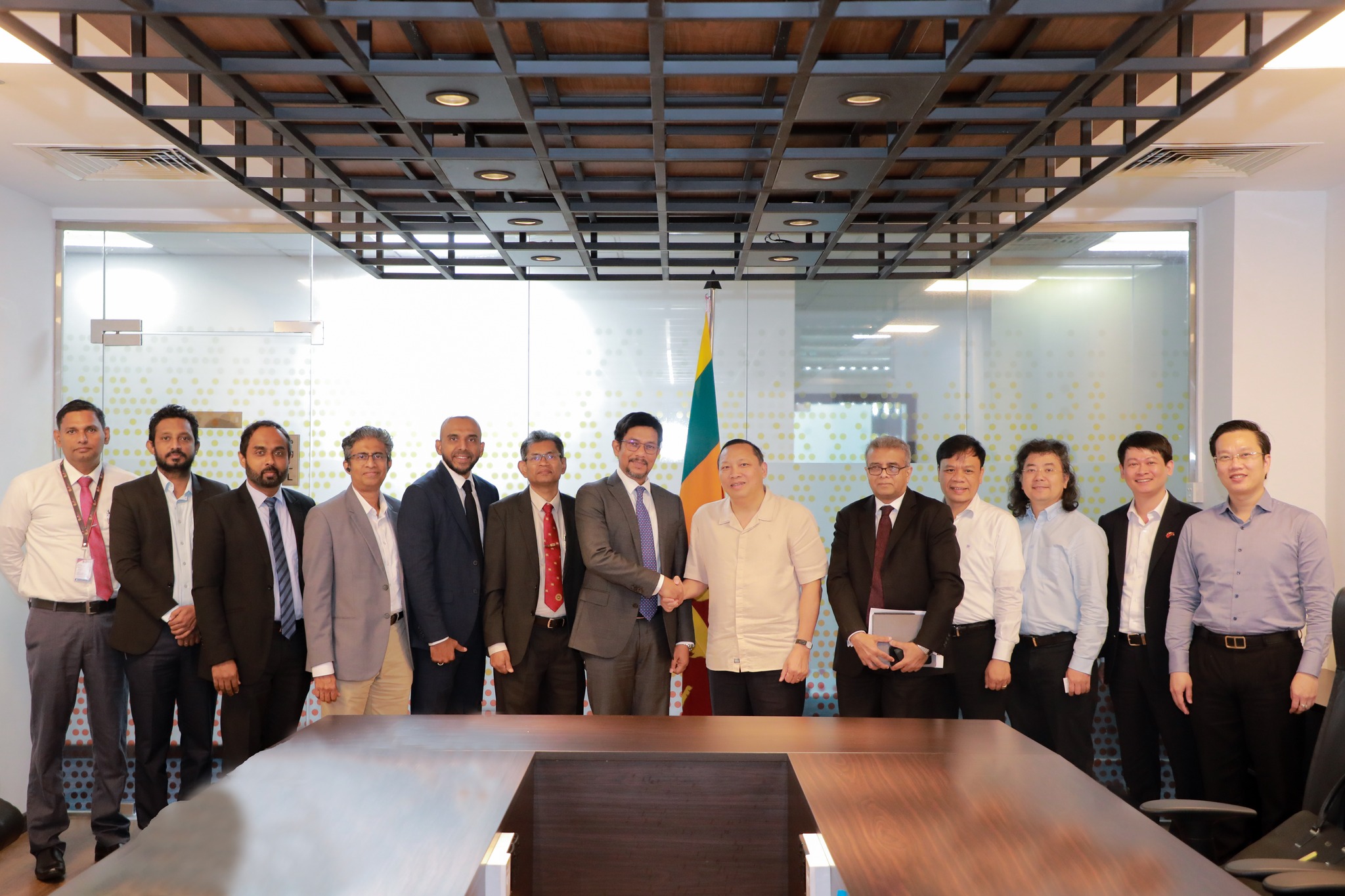
As Vietnamese President Tô Lâm concluded a two-day state visit to Sri Lanka, the two nations used the occasion to move beyond ceremony and into substance, holding a dedicated ministerial discussion on digital economic cooperation that placed both countries’ transformation ambitions squarely on the table.
The visit by President Tô Lâm, also General Secretary of the Communist Party of Vietnam, was made at the invitation of Sri Lankan President Anura Kumara Dissanayake, following his own state visit to Vietnam in 2025 to mark the 55th anniversary of diplomatic relations between the two countries. President Tô Lâm arrived accompanied by a delegation of 209 members and became the first foreign head of state to address Sri Lanka’s Parliament in eleven years, the previous occasion being Indian Prime Minister Narendra Modi in 2015.
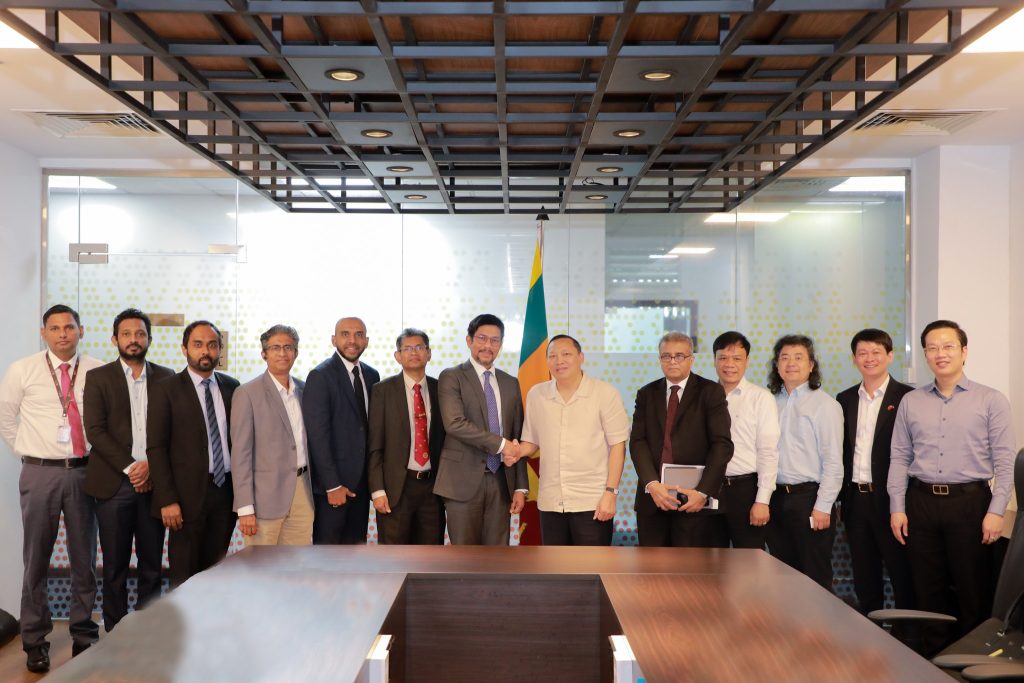
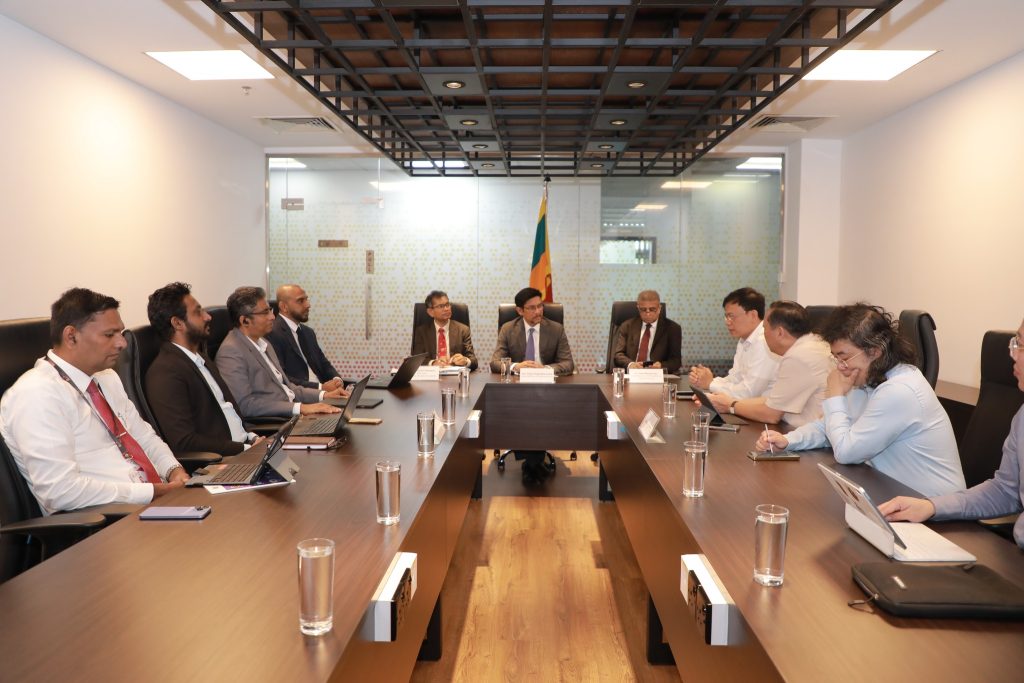
On May 8, in parallel with the broader diplomatic programme, the Ministry of Digital Economy hosted a separate high-level discussion between Deputy Minister Eranga Weeraratne and Nguyen The Trung, Member of the National Advisory Council of Vietnam’s 57th Steering Committee. The agenda covered public digital infrastructure, cashless payment systems, cybersecurity, data centres, and artificial intelligence infrastructure.
Sri Lanka’s ambition to become a regional digital hub by 2030, targeting a $15 billion digital economy and $5 billion in digital exports, was a focal point of the discussion. Vietnam expressed interest in investing in Sri Lanka’s data centre sector.
The target is not aspirational window dressing. With digital currently contributing between 3 and 5 percent of Sri Lanka’s GDP, reaching the $15 billion goal would require lifting that share to roughly 12 percent within the decade, overtaking agriculture’s current 8.3 percent share. For a country that has spent the past three years navigating its worst economic crisis in modern history, the stakes of attracting credible investment partners in this space are considerable.
Vietnam arrives at the table with credentials that command attention. By 2025, Vietnam’s digital economy reached approximately $39 billion, growing at around 17 percent, among the fastest rates in Southeast Asia, with the digital economy accounting for over 14 percent of GDP and over 75,000 active digital technology businesses in operation. Vietnam’s e-government ranking according to the United Nations rose by 15 places compared to 2022, placing it 71st out of 193 countries, reflecting concrete progress in administrative reform and the digitisation of public services.
Vietnam’s software and IT services industry body VINASA convened its Vietnam-Asia DX Summit in late May 2026, attracting over 2,000 delegates from 12 economies, with officials stating that if 2025 was the startup phase for digital transformation, 2026 must be the acceleration phase with the motto of breakthrough action and spreading results. That orientation makes the bilateral conversation with Sri Lanka timely on both sides.
The discussions highlighted the importance of strengthening the existing Memorandum of Understanding between Sri Lanka’s SLASSCOM and Vietnam’s VINASA, with particular interest in collaborating with Hanoi’s technology and innovation ecosystem. SLASSCOM has been a central pillar of Sri Lanka’s IT sector strategy, and a more active operational relationship with VINASA could open pathways for talent exchange, joint product development, and market access in ways that a standard government-to-government MoU rarely achieves on its own.
The Vietnamese delegation shared experiences drawn from their own journey, including the expansion of digital infrastructure, public sector digitisation, policy reform, and workforce development for AI. Dr. Hans Wijayasuriya, one of the key architects of Sri Lanka’s DIGIECON 2030 strategy, has consistently argued that moving from a service-based economy to one that creates products and owns intellectual property requires a frictionless environment, and that capital and talent mobility are non-negotiable enablers of that shift. His participation in the May 8 meeting, alongside Ministry Secretary Waruna Sri Dhanapala, signalled that Sri Lanka’s engagement with Vietnam was being driven by the same strategic logic.
The broader state visit also saw the official launch of direct flight services between Colombo and Ho Chi Minh City and Hanoi, operated by Vietnam Airlines and VietJet Air, with relevant air services agreements exchanged at the Sri Lanka-Vietnam Trade, Investment and Tourism Forum. Improved connectivity will be foundational to any serious bilateral technology partnership, given that talent mobility and business travel remain practical preconditions for the kind of collaboration both sides said they wanted.
The digital economy meeting adds specific sectoral weight to what the joint statement between the two presidents elevated to a Comprehensive Partnership during the visit.
2 Comments
Pingback: Kaspersky Signs MoU with Vietnam Cyber Security Dept
Pingback: Customs: 1 Best Digital Signature System Launched